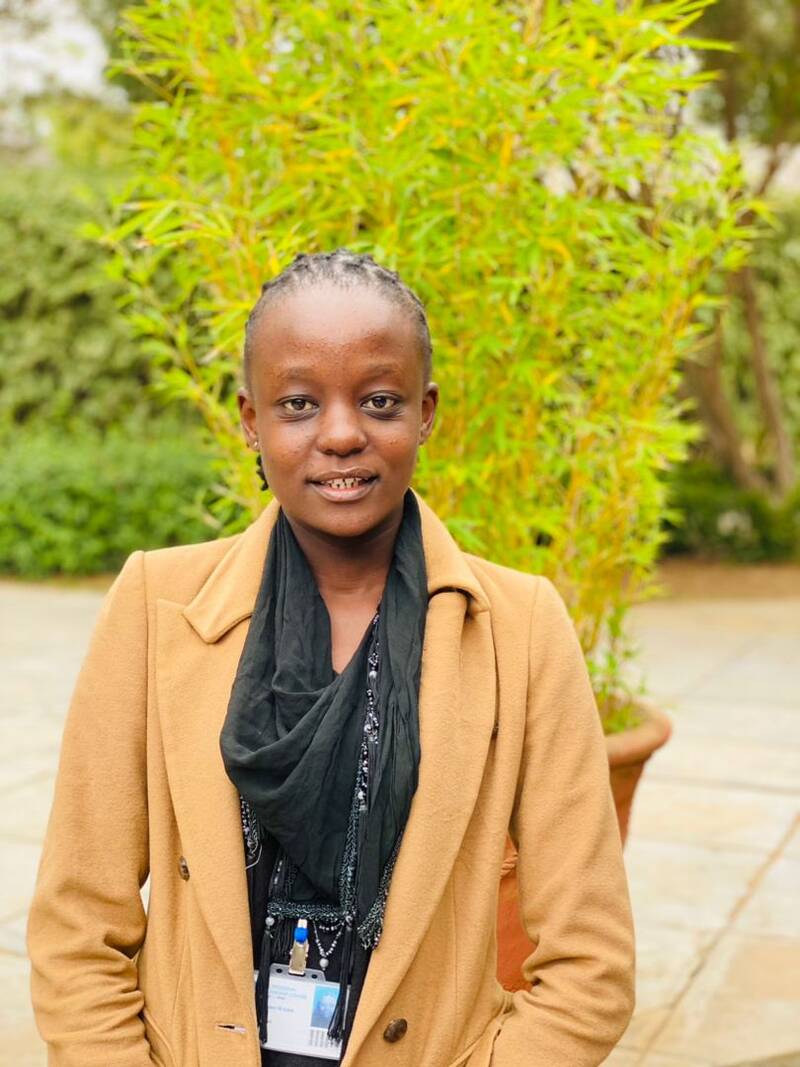
Sharon — Founder of Farina Foundation

From a Walk Along the Highway to a Movement for Education

A Personal History of Inequality

For Tumaini Na Uwezo (TUNU) and, later, Farina Foundation, that beginning was rooted in a personal encounter with inequality and a growing conviction that every child deserves the opportunity to learn, dream, and build a better future.

Like many people, I recognize that the opportunities I have today are largely the result of one thing—education. It opened doors, shaped my future, and gave me the confidence to believe that positive change is possible. But I also know how different my life could have been.

Growing up in Kilifi County, I witnessed how poverty, harmful cultural practices, and limited opportunities denied many children the chance to complete their education. These were not distant stories; they were realities experienced by people close to me.

One story has remained with me throughout my life. When my paternal aunt was still a young girl, her education came to an abrupt end after her brother impregnated a girl. To raise the dowry required for him to marry, the family arranged for my aunt to be married off early so that the dowry from her marriage could help meet the cost. Her dreams were sacrificed so that someone else's future could continue.

That experience left a lasting impression on me. It showed me that, for many children, access to education is determined not by ability or ambition, but by circumstances beyond their control.

Sadly, decades later, many of the same challenges still exist. Across parts of Kilifi County, it is not uncommon to find children wandering through villages or along highways during school hours instead of sitting in classrooms. Behind every child out of school is a story—poverty, neglect, teenage pregnancy, child labour, disability, family breakdown, or cultural practices that continue to limit educational opportunities.

These experiences planted a question in my heart: What if every child, regardless of their circumstances, had someone willing to stand beside them and help them stay in school?

That question became the seed from which Tumaini Na Uwezo (TUNU) grew—a grassroots initiative founded on the belief that education has the power to transform lives, families, and entire communities. Today, through Farina Foundation, we continue pursuing that vision by supporting vulnerable learners, empowering families, and working alongside communities to remove the barriers that keep children out of school.

Our journey began with one question. It has grown into a commitment to ensure that every child has the opportunity to learn, grow, and realise their full potential.
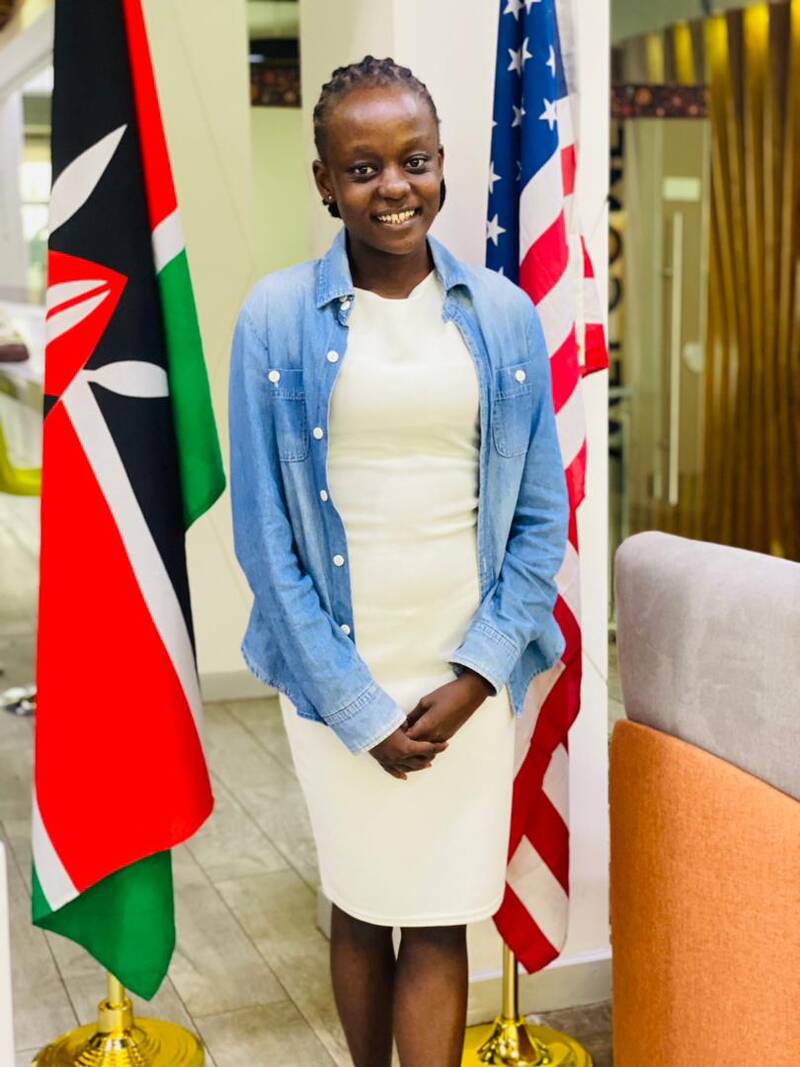
Sharon in Kilifi County Sharon Nina — Founder, Farina Foundation

A Growing School Dropout Crisis in Kilifi County

Education has the power to transform lives, yet for thousands of children in Kilifi County, remaining in school is a daily struggle. Even before the COVID-19 pandemic, many children faced barriers to completing their education — and when schools reopened after the prolonged closures, these challenges intensified, sharply increasing dropout rates across the county.

Poverty and Household Vulnerability

Many families struggle to meet even their most basic needs. When household income is limited, parents are often forced to choose between buying food and paying school-related expenses, placing children's education at risk.

Teenage Pregnancy

Teenage pregnancy remains one of the leading reasons girls leave school. Many young mothers never return to complete their education, limiting their opportunities and perpetuating cycles of poverty.

Parental Illiteracy

Some parents and guardians have had little or no formal education themselves. Without fully understanding the long-term value of education, they may struggle to support or prioritize their children's schooling.

Interrupted Learning

Financial hardship, family instability, illness, and other social challenges often cause children to leave school temporarily. Many return after losing months or even years of learning, leaving them over-age for their grade and at greater risk of dropping out again.

As we visited schools and communities across Kilifi County, one pattern became impossible to ignore. Class sizes became smaller as learners progressed to higher grades. In many classrooms, older students sat alongside much younger children because their education had been interrupted by circumstances beyond their control.

These experiences challenged us to ask a simple but urgent question: Why should a child's future be determined by the circumstances into which they were born?

This question continues to drive our work every day. Through education support, family empowerment, and community partnerships, Farina Foundation is working to remove the barriers that keep children out of school and ensure that every learner has the opportunity to reach their full potential.

Children in Kilifi County

"Education is not a privilege reserved for a few — it is a fundamental right and one of the most powerful tools for breaking the cycle of poverty."

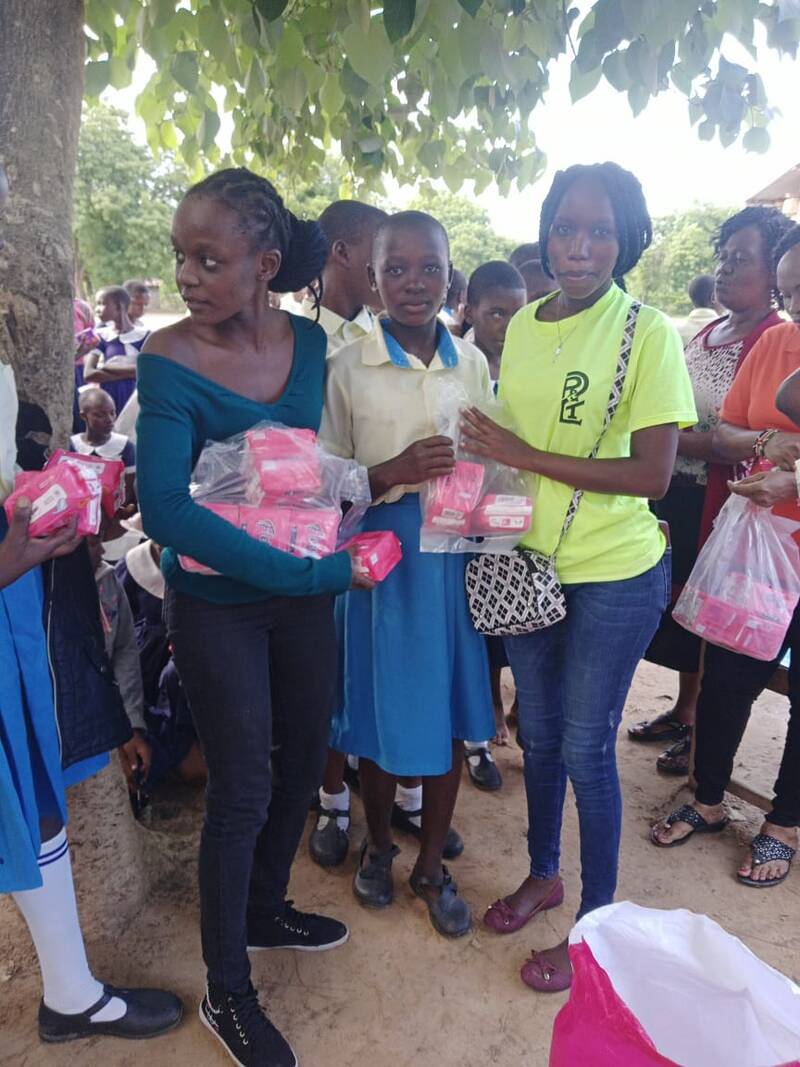
Sharon distributing dignity packs Sharon distributing dignity packs

A Boy, a Bag of Cashew Nuts, and a Broken System

In early May 2021, after completing an online university examination, I decided to take a walk along the Kilifi–Malindi highway. As I walked, I noticed a young boy, about twelve years old, standing by the roadside selling roasted cashew nuts. What caught my attention was not the cashew nuts — it was the time of day. It was a weekday, during school hours.

I stopped and asked him a simple question: "Why aren't you in school?" His answer was one I will never forget. He explained that he had been sent home to collect school fees, but when he reached home, his mother told him there was no money available. Rather than remain idle, he gathered cashew nuts from their farm, roasted them, and began selling them by the roadside.

Then he said something that revealed the depth of the problem:

"

I don't see why I should go back to school when I can earn money here every day.

Those words stayed with me long after our conversation ended. I realized that this was not just about one boy selling cashew nuts. It was about a system that was failing many children. A child who should have been in a classroom had already begun to believe that education was no longer worth pursuing, because poverty had forced him to choose immediate survival over long-term opportunity.

As I continued walking, my mind was filled with difficult questions: How many other children were out of school for the same reason? How many had already given up on education? What practical solutions could help families keep their children in school? How could communities work together to address the growing dropout crisis in Kilifi County?

That encounter became a turning point. It transformed my concern into action and planted the idea that would eventually grow into Tumaini Na Uwezo (TUNU) — a community-driven initiative focused on helping vulnerable children remain in school and supporting families facing the challenges that push learners out of education.

Sometimes a movement begins not in a boardroom, but in a conversation by the side of a highway. For me, it began with a young boy, a bag of roasted cashew nuts, and a question that could no longer be ignored.

Looking Beyond the Symptoms

As we spent more time listening to students, parents, teachers, and community leaders, one thing became increasingly clear: keeping children in school required more than providing school supplies.

Many organizations and well-wishers had stepped in to support vulnerable learners with uniforms, books, and school fees. These efforts made an important difference, but we also discovered that many families continued to face the same challenges year after year.

The question was no longer "How do we help children return to school?" It became "How do we help families stay in a position where their children can remain in school?"

We learned that the barriers to education often began long before a child entered the classroom. For many households, extreme poverty meant that paying for school competed with buying food. Some parents and guardians, having never experienced the benefits of education themselves, struggled to see it as an investment for the future. Others simply lacked sustainable sources of income and were forced to make impossible choices.

It became evident that lasting solutions would only be achieved by working with families, not just for students. Education and economic empowerment had to go hand in hand.

How Tumaini Na Uwezo (TUNU) Came to Life

This realization became the foundation of Tumaini Na Uwezo (TUNU) — a grassroots initiative built on a simple but transformative belief: when families become stronger, children are more likely to stay in school.

From the very beginning, TUNU adopted a holistic approach that addressed both the immediate needs of learners and the long-term challenges facing their households. We began by supporting vulnerable students with essential learning materials, including school uniforms, exercise books, stationery, and menstrual hygiene products for girls. These basic resources helped remove some of the immediate barriers preventing children from attending school consistently.

At the same time, we started engaging parents and guardians through community dialogues, mentorship, and practical training on small businesses and income-generating activities. Rather than creating dependence on donations, we wanted families to build sustainable livelihoods that would enable them to support their children's education with dignity.

Our approach rests on three simple principles:

Supporting Learners

Providing vulnerable students with the essential items they need to remain in school and participate confidently in learning.

Empowering Families

Working alongside parents and guardians to strengthen household incomes through entrepreneurship, savings groups, and other sustainable livelihood opportunities.

Creating Lasting Change

Addressing the root causes of school dropout so that children can complete their education and families become more resilient over the long term.

Growing Through Learning and Partnerships

As our work expanded, we recognised that creating lasting impact required continuous learning, collaboration, and strong partnerships. These opportunities have strengthened our ability to serve communities more effectively.

Young African Leaders Initiative (YALI) Regional Leadership Centre East Africa

Participation in the Young African Leaders Initiative (YALI) Regional Leadership Centre East Africa strengthened our leadership, project management, and community development skills, equipping us to design sustainable solutions for vulnerable communities.

The Pad Project

Training and mentorship through The Pad Project enhanced our knowledge of menstrual health, safeguarding, and girls' dignity, enabling us to expand our menstrual health education and dignity initiatives in schools.

Alliance for Women and Girls (AFWAG) Network

As a member of the Alliance for Women and Girls (AFWAG) Network, Farina Foundation continues to benefit from capacity building, peer learning, and strategic partnerships that strengthen our programmes and increase our impact across the communities we serve.

Every partnership has reinforced one important lesson: sustainable community transformation is achieved when passionate local leadership is supported by knowledge, collaboration, and a shared commitment to creating opportunities for every child and every family.

Our Dream: Building a Self-Sustaining Cycle of Opportunity

Our vision extends beyond helping children stay in school today. We are working towards a future where families have the knowledge, resources, and opportunities to support their children's education independently — and to achieve this, we are developing a community-driven revolving empowerment model that strengthens families while ensuring support reaches more households over time.

1

Counselling and Behaviour Change

The journey begins by engaging parents and guardians of vulnerable learners through counselling and community dialogue. These sessions promote positive attitudes towards education, strengthen family relationships, and encourage a shared commitment to ensuring that every child remains in school.

2

Entrepreneurship and Financial Skills

Parents and guardians receive practical training in entrepreneurship, financial literacy, marketing, and savings. These skills equip families to start or strengthen small businesses and build more resilient household incomes.

3

Revolving Start-Up Capital

Families with viable business plans receive repayable start-up capital to launch or expand income-generating activities. As the funds are repaid, they are reinvested to support new families, creating a revolving system that continues to grow, with links to grants, savings groups, and affordable financing to expand successful enterprises.

4

Mentorship, Monitoring, and Graduation

Each family is supported for at least 18 months through regular mentoring, business coaching, and progress monitoring. This ensures businesses become sustainable while helping families achieve financial stability and continue supporting their children's education.

5

Creating Community Champions

Families that successfully complete the programme become mentors for new participants, sharing their experiences, encouraging others, and strengthening community ownership. In this way, each empowered family helps create opportunities for the next, building a cycle of transformation that continues long into the future.

A Future Where Every Child Has the Opportunity to Learn

We envision communities where no child is forced to leave school because of poverty, where every girl can manage her menstrual health with dignity, and where parents have the means to provide for their families without sacrificing their children's education.

Our dream extends far beyond Kilifi County. We hope to inspire a model of community-led development that can be replicated wherever children face barriers to education and families need opportunities to build sustainable livelihoods.

Our journey has not been easy. For many years, our work has been sustained through personal sacrifice and the generosity of friends, volunteers, teachers, and well-wishers who believed in our mission. Limited resources have meant that we could not reach every child who needed support.

Yet every learner who returned to school, every family that found renewed hope, and every community that chose collaboration over despair has reminded us that meaningful change is possible. These stories inspire us to keep moving forward.

Milestones Along the Way

2012

Early community outreach begins through church-based support for vulnerable children.

2021

The encounter with the boy selling roasted cashew nuts inspires a renewed focus on tackling school dropout.

2021–2024

Tumaini Na Uwezo (TUNU) expands support for vulnerable learners and their families across Kilifi County.

2024

Farina Foundation is officially registered to strengthen partnerships and scale community impact.

Today

Education support, community empowerment, and dignity programmes continue to transform lives while building sustainable solutions for vulnerable families.

Be Part of the Story

The story of Tumaini Na Uwezo and Farina Foundation is still being written. Every scholarship awarded, every dignity pack distributed, every family empowered, and every child who remains in school is possible because someone chose to care.

Whether you choose to donate, volunteer, partner with us, advocate for our work, or simply share our story, you become part of a growing movement that believes education has the power to transform lives. One child. One family. One community — together, we can create lasting change.

Get Involved Our Programs